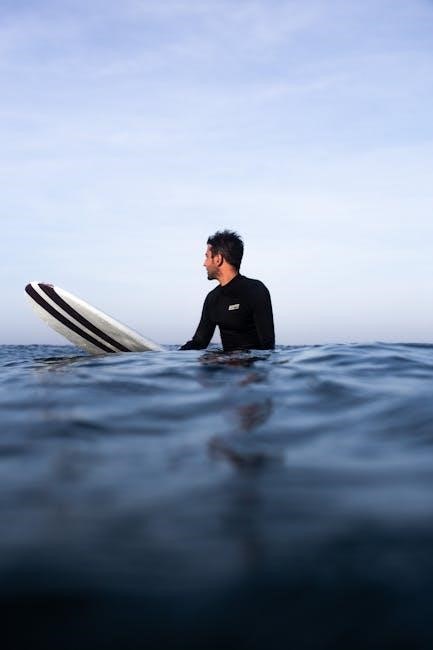
Wetsuit Temperature Guide for Surfing
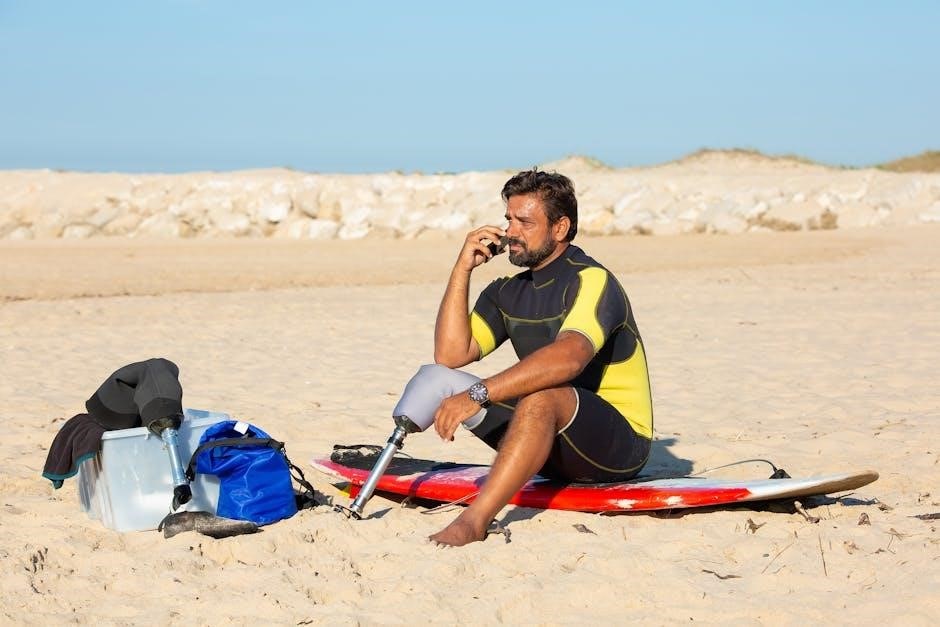
Surfing demands strategic positioning and constant movement, especially during energetic spring swells; maintaining weight proves challenging, impacting thermal regulation.
Understanding how water temperature, wind chill, and individual metabolism affect comfort is crucial for selecting the appropriate wetsuit.
Optimal gear choices enhance enjoyment and performance, allowing surfers to focus on wave selection, ocean reading, and respecting surf etiquette.
Understanding Water Temperature & Its Impact
Water temperature is the primary driver of heat loss while surfing, significantly influencing wetsuit selection. The human body maintains a core temperature of around 98.6°F (37°C), and immersion in colder water initiates rapid heat transfer. This occurs through conduction, convection, and evaporation, drawing warmth away from the body.
Even in seemingly warm conditions, prolonged exposure can lead to hypothermia, impairing judgment, coordination, and ultimately, posing a serious risk. Different water temperatures necessitate varying levels of thermal protection. For instance, water between 68°F and 78°F might only require a rashguard or spring suit, while temperatures below 60°F demand a full suit, potentially with additional accessories like boots, gloves, and a hood.
Understanding that perceived temperature can differ from actual temperature is vital. Factors like air temperature, wind speed, and sunlight all play a role in how cold the water feels. Surfing isn’t a static activity; the constant paddling and movement generate some heat, but this is often offset by the cooling effects of the water and wind.
The Role of Wind Chill in Surfing Comfort
Wind chill dramatically impacts how cold the water feels, accelerating heat loss from exposed skin and even through a wetsuit. It’s not the actual water temperature, but the rate at which your body loses heat to the surrounding air, intensified by wind speed. A breezy 65°F day can feel significantly colder on the water than a calm one, demanding a warmer wetsuit than initially anticipated.
Wind removes the thin layer of warm air that your body naturally creates around itself, increasing convective heat loss. This effect is particularly pronounced when exiting the water, as the wet wetsuit becomes a highly efficient conductor of heat. Even a light breeze can drastically reduce comfort levels, leading to shivering and fatigue.
Experienced surfers always factor wind chill into their gear selection. Checking both the water temperature and the wind forecast is crucial. A windproof outer layer, or even simply a hooded vest, can significantly mitigate the effects of wind chill, extending your session and enhancing overall comfort. Ignoring wind chill can lead to rapid cooling and a less enjoyable surfing experience.
Surfer Metabolism & Heat Loss
Surfing is physically demanding, requiring significant energy expenditure and generating metabolic heat. However, this heat production is often overshadowed by the rapid heat loss to the surrounding water, especially in colder conditions. Paddling, popping up, and maneuvering all increase metabolic rate, but the body struggles to maintain core temperature when immersed in water significantly cooler than body temperature (98.6°F).
Heat loss occurs through several mechanisms: conduction, convection, radiation, and evaporation. Conduction happens through direct contact with the water, while convection involves heat transfer to the moving water around the body. Radiation occurs as heat escapes to cooler surfaces, and evaporation cools the skin as water evaporates.
Factors like body fat percentage, hydration levels, and individual fitness also influence heat loss; Leaner individuals and those who are dehydrated tend to lose heat more quickly. Understanding your own metabolic rate and how it interacts with water temperature is vital for choosing the appropriate wetsuit and maximizing comfort during your surf session.
Wetsuit Types & Their Thermal Ratings
Wetsuits aren’t simply waterproof barriers; they trap a thin layer of water between the neoprene and your skin, which your body heats up. This warmed layer provides insulation. Different wetsuit types cater to varying water temperatures and surfing styles, each with distinct thermal ratings.
Shorty wetsuits (typically 2mm) offer minimal coverage, ideal for warm water (78°F+), providing flexibility and preventing chafing. Spring suits (3/2mm) feature short sleeves and legs, extending the surfing season into cooler temperatures (68°F-78°F). Full suits (varying thicknesses) are the most versatile, offering full body coverage for a wider range of temperatures (60°F+).
Hooded suits, often paired with boots and gloves, are designed for the coldest conditions (below 50°F). Thermal ratings indicate the neoprene thickness and intended temperature range, but individual sensitivity and activity level play a crucial role in determining the optimal suit for your needs.
Neoprene Thickness Explained
Neoprene thickness, measured in millimeters (mm), directly impacts a wetsuit’s insulating properties. Thicker neoprene provides greater warmth but reduces flexibility, while thinner neoprene offers more freedom of movement at the expense of thermal protection. Common thicknesses range from 1mm to 5mm, often combined in a single suit to balance warmth and flexibility.
A “3/2mm” suit, for example, means 3mm neoprene is used in the torso for core warmth, and 2mm neoprene in the arms and legs for increased flexibility. Lower numbers (like 1mm or 2mm) are best suited for warmer waters, offering minimal insulation but maximum maneuverability. Higher numbers (4mm or 5mm) are reserved for colder conditions, prioritizing warmth over flexibility.

The quality of the neoprene also matters; higher-quality neoprene is more flexible, durable, and water-resistant. Understanding these nuances allows surfers to choose a wetsuit that perfectly matches their needs and the prevailing water conditions, maximizing comfort and performance.
Shorty Wetsuits: For Warm Water Surfing
Shorty wetsuits, characterized by short sleeves and legs, are ideal for warm water surfing conditions typically ranging from 70°F to 80°F (21°C to 27°C). They provide core warmth while allowing maximum freedom of movement and sun exposure, making them popular for tropical and subtropical locations. These suits generally feature 1mm to 3mm neoprene thickness, prioritizing flexibility over substantial insulation.
Shorties are a fantastic option for surfers who want some protection from minor abrasions and sun, without overheating. They’re also a great choice for those who prioritize maneuverability and a less restrictive feel. While offering limited thermal protection, they’re perfect for long, warm sessions where staying cool is as important as staying comfortable.
Consider a rashguard paired with a shorty for added sun protection and to minimize chafing. They represent a lightweight and versatile solution for enjoying the waves in balmy conditions.
Spring Suits: Extending Your Season
Spring suits bridge the gap between warm-water shorties and full wetsuits, offering versatility for transitional temperatures ranging from 62°F to 72°F (17°C to 22°C). Typically featuring 2mm to 3mm neoprene, they provide core warmth with short sleeves and legs, balancing thermal protection with flexibility. They’re designed to extend your surfing season into cooler spring and fall months.
These suits are a popular choice for surfers seeking a balance between warmth and freedom of movement. They allow for a greater range of motion compared to full suits, while still providing sufficient insulation to combat cooler water temperatures. Spring suits are particularly useful when the air temperature is mild, but the water remains chilly.
Pairing a spring suit with neoprene accessories like boots or gloves can further extend its usability in colder conditions. They represent a smart investment for surfers who want to maximize their time in the water throughout the year.
Full Suits: The Versatile Option

Full suits represent the most versatile option in a surfer’s wardrobe, providing comprehensive thermal protection across a broad temperature range – generally 55°F to 68°F (13°C to 20°C). Available in varying neoprene thicknesses, typically from 2mm to 5mm, they cover the entire body, minimizing heat loss and maximizing comfort in cooler waters. This makes them ideal for year-round surfing in many locations.
The versatility of full suits stems from their ability to be layered with other gear. In colder conditions, they can be combined with hoods, gloves, and boots to create a fully insulated system. Conversely, in milder temperatures, they can be worn alone for sufficient warmth.
Choosing the right thickness depends on individual cold tolerance and water temperature. A 3/2mm full suit is a popular all-around choice, while a 4/3mm or 5/4mm suit is better suited for colder waters. Full suits are a reliable choice for consistent comfort and extended surf sessions.
Hooded Suits & Accessories: For Coldest Conditions
When water temperatures plummet below 50°F (10°C), a hooded suit becomes essential for maintaining core warmth and preventing rapid heat loss. These suits feature an integrated hood that covers the head and neck, areas particularly vulnerable to cold exposure. Often paired with 5/4mm or even 6/5mm neoprene, they provide maximum insulation in frigid conditions.
However, a hooded suit is rarely enough on its own; accessories are crucial. 5mm neoprene boots protect feet from numbness, while gloves maintain dexterity and warmth in hands. These accessories significantly extend surf sessions in the coldest waters, preventing discomfort and potential injury.
Consider the fit of accessories carefully. Boots and gloves should be snug but not restrictive, allowing for freedom of movement. A well-fitted hood should seal comfortably around the face, minimizing water entry. Investing in quality cold-water gear is paramount for enjoying surfing in challenging environments.
Temperature Ranges & Wetsuit Recommendations
Selecting the right wetsuit hinges on accurately assessing water temperature and anticipating conditions. A general guideline begins with 68°F ౼ 78°F (20°C ౼ 26°C), where boardshorts or a rashguard may suffice, though a spring suit offers added comfort. As temperatures drop to 60°F ౼ 68°F (16°C ‒ 20°C), a 2mm to 3/2mm full suit becomes necessary for extended sessions.
Colder still, 50°F ‒ 60°F (10°C ‒ 16°C) demands a 3/2mm to 4/3mm full suit. This range often necessitates additional protection like boots and gloves to prevent numbness and maintain performance. Below 50°F (10°C), a 5/4mm or 6/5mm hooded suit, coupled with boots, gloves, and potentially a vest, is crucial for safety and enjoyment.
Remember these are guidelines; individual tolerance and wind chill play significant roles. Prioritize staying warm and comfortable to maximize your surfing experience and minimize the risk of hypothermia.
68°F ‒ 78°F (20°C ౼ 26°C): Boardshorts/Rashguard & Spring Suit
Within this warm water range, surfers often have options beyond the full wetsuit. For many, boardshorts paired with a rashguard provide sufficient comfort, especially during intense activity. Surfing itself is physically demanding, generating heat through constant paddling and movement, reducing the need for extensive thermal protection.

However, a spring suit – typically a short-sleeved, short-legged wetsuit – offers a versatile alternative. It provides core warmth while allowing freedom of movement and breathability. Spring suits are ideal for slightly cooler days within this range or for surfers who feel the chill more readily. They also offer some sun protection.
Consider wind conditions; even warm water can feel cold with a strong breeze. A light wind can significantly impact comfort, making a spring suit a prudent choice. Ultimately, personal preference and sensitivity to temperature dictate the best option.
60°F ౼ 68°F (16°C ‒ 20°C): 2mm ‒ 3/2mm Full Suit
As water temperatures drop into this range, a full wetsuit becomes essential for maintaining comfortable surfing sessions. A 2mm or 3/2mm full suit provides a balance between warmth and flexibility, allowing for adequate movement while protecting against the cold. The ‘3/2mm’ designation refers to the neoprene thickness – 3mm in the torso for core warmth and 2mm in the limbs for greater flexibility.
This temperature range often necessitates longer sessions in the water, increasing the risk of heat loss. A full suit minimizes this risk, allowing surfers to focus on wave selection and performance. Consider the duration of your surf session and your individual cold tolerance when choosing between 2mm and 3/2mm.
Wind chill remains a factor; a breezy day can make 60°F water feel significantly colder. Layering a rashguard underneath the wetsuit can provide additional warmth and reduce chafing, enhancing overall comfort.
50°F ౼ 60°F (10°C ‒ 16°C): 3/2mm ౼ 4/3mm Full Suit, Boots, Gloves

Entering colder waters demands a more substantial thermal defense; a 3/2mm or 4/3mm full suit is now crucial, alongside essential accessories like boots and gloves. The 4/3mm option provides increased warmth for extended exposure, particularly beneficial for those with lower cold tolerance or planning longer sessions. Boots protect feet from numbness and potential injury, while gloves maintain dexterity and warmth in your hands.
Heat loss accelerates significantly at these temperatures, impacting performance and increasing the risk of hypothermia. A well-fitted full suit minimizes water flushing, while neoprene boots and gloves prevent extremities from becoming cold and losing sensation.
Consider the wind chill factor; a strong breeze can drastically lower perceived temperature. Layering a thermal base layer under your wetsuit further enhances insulation, providing an extra shield against the cold. Prioritize safety and comfort when surfing in these conditions.
Layering for Optimal Warmth
Maximizing warmth in cooler conditions often requires a strategic layering system beneath your wetsuit, enhancing insulation and extending your surf sessions. This approach traps air, creating a thermal barrier against the cold water. It’s about building a system that works with your wetsuit, not against it.
The goal isn’t simply to add bulk, but to manage moisture and maintain a consistent body temperature. Excess moisture can negate the benefits of layering, so choosing the right materials is key. Consider the intensity of your surfing; more active surfers may prefer lighter layers to avoid overheating.
Layering allows for adaptability; you can adjust your setup based on changing conditions or personal preference. Experiment with different combinations to find what works best for you, ensuring a comfortable and efficient surfing experience. Remember, a well-layered system can be the difference between a great session and a shivering retreat.
Base Layers: Adding an Extra Thermal Shield

Base layers, worn directly against the skin, are fundamental to a successful layering strategy, providing a crucial first line of defense against the cold. These aren’t your typical cotton undershirts; specialized materials like merino wool or synthetic fabrics (polypropylene, polyester) are essential. They excel at wicking moisture away from the body, preventing that chilling effect when wet.
Merino wool offers natural warmth and odor resistance, while synthetics provide excellent durability and quick-drying properties. The thickness of the base layer impacts its thermal performance; thicker layers offer more insulation, but can also restrict movement. Choose a weight appropriate for the water temperature and your activity level.
A properly fitted base layer should be snug but not constricting, allowing for a full range of motion. Avoid bunching or chafing, as this can quickly become uncomfortable during a surf session. Investing in quality base layers is a worthwhile investment for any surfer seeking extended comfort in cooler waters.
Rashguards Underneath: Reducing Chafing & Adding Slight Warmth
Rashguards, traditionally used to prevent surfboard irritation, offer a surprisingly effective layer beneath a wetsuit, enhancing both comfort and warmth. While not a primary source of insulation, they significantly reduce chafing caused by the wetsuit’s seams, particularly during extended surf sessions. This is especially beneficial for surfers prone to skin sensitivity or those wearing wetsuits frequently.
The snug fit of a rashguard minimizes water flushing into the wetsuit, helping to maintain a warmer core temperature. Look for rashguards made from materials like nylon or spandex, offering a balance of stretch, durability, and quick-drying properties. Long-sleeved rashguards provide more coverage and additional protection from the sun.
Consider the thickness of the rashguard; thicker options offer slightly more insulation, while thinner ones prioritize flexibility. A well-chosen rashguard is a simple yet effective addition to your cold-water surfing arsenal, improving overall comfort and extending your time in the water.
Specific Regional Considerations
Water temperatures vary dramatically depending on geographic location, necessitating tailored wetsuit choices. California surf typically enjoys milder conditions, often allowing for spring suits or even boardshorts well into fall, though northern breaks experience colder currents. The Pacific Northwest, however, demands thicker suits – 3/2mm to 4/3mm full suits are common year-round, with hooded options frequently needed.
East Coast waters present a unique challenge, with fluctuating temperatures influenced by the Gulf Stream. New England requires robust insulation during winter, while the Mid-Atlantic can transition between spring suits and full suits throughout the year. Accurate forecasting, utilizing NOAA Coastal Waters Forecasts and buoy reports, is vital.
Local knowledge is invaluable; consult experienced surfers regarding typical conditions at specific breaks. Understanding regional nuances ensures you’re adequately prepared for the water, maximizing comfort and enjoyment. Don’t underestimate the impact of wind chill, which can significantly lower perceived temperatures.
California Surf Temperatures
California’s diverse coastline experiences a wide range of water temperatures, influenced by currents and seasonal changes. Southern California generally boasts warmer waters, often remaining comfortable for boardshorts or a spring suit (2mm-3/2mm) throughout much of the year. Central California sees more variability, with summer temperatures allowing for spring suits, but requiring full suits (3/2mm-4/3mm) during fall, winter, and spring.
Northern California, particularly around San Francisco and beyond, encounters significantly colder waters due to the California Current. Full suits are essential year-round, and hooded suits (4/3mm or 5/4mm) are frequently necessary, especially during winter months. Consistent exposure to cold water necessitates boots and gloves for optimal comfort.

Microclimates play a crucial role; sheltered coves can be warmer than exposed beaches. Checking local buoy reports and water temperature readings is vital before each session. Layering with a rashguard underneath a wetsuit provides additional warmth and reduces chafing.
Pacific Northwest Surf Temperatures
The Pacific Northwest presents consistently cold water temperatures, demanding robust thermal protection for surfing. Unlike California, warm water days are rare, and even during summer, a 4/3mm or 5/4mm full suit is generally the minimum requirement. The influence of glacial melt and the cold Pacific Current contribute to these frigid conditions.
Winter surfing in Oregon and Washington necessitates hooded suits, 5mm boots, and 5mm gloves to prevent hypothermia. Exposed breaks experience significant wind chill, further reducing perceived temperature. Layering a thermal base layer beneath the wetsuit is highly recommended for extended sessions.
Understanding wave forecasts and buoy reports is critical; conditions can change rapidly. Checking beach cams provides a visual assessment of wave size and wind conditions. New surfers should prioritize warmth and comfort to maximize enjoyment and minimize risk. Prioritizing safety and proper gear is paramount in this challenging environment.
East Coast Surf Temperatures
East Coast surfing experiences a wider temperature range than the Pacific Northwest, but still requires careful wetsuit selection. Water temperatures fluctuate significantly with the seasons, from frigid winter conditions to surprisingly warm summer spells. The Gulf Stream’s influence creates localized warmer pockets, but overall, expect cooler waters than Southern California.
During winter months (December-February), a 4/3mm or 5/4mm full suit, along with boots, gloves, and a hood, is essential for most locations. Spring and fall offer transitional temperatures, often suitable for a 3/2mm full suit or even a spring suit with appropriate layering.
Summer surfing can often be enjoyed with boardshorts or a rashguard, but a spring suit provides added comfort on cooler days or during early morning sessions. Checking local water temperature reports and forecasts is crucial, as conditions can vary dramatically along the coastline. Be prepared for sudden cold fronts, even during warmer months.
Beyond the Wetsuit: Other Cold Water Gear
Even the warmest wetsuit can’t protect every part of your body from the chilling effects of cold water. Peripheral exposure to the cold – feet, hands, and head – significantly impacts comfort and performance. Investing in additional cold water gear is crucial for extended sessions in frigid conditions.
Booties are essential for protecting your feet from numbness and maintaining dexterity. Neoprene thickness varies, with 3mm, 5mm, and 7mm options available depending on water temperature. Gloves provide similar protection for your hands, preventing cramping and ensuring grip.
A hood is arguably the most important accessory, as a significant amount of heat is lost through the head. Consider a hooded vest for added core warmth. Don’t underestimate the value of a good thermal base layer worn under your wetsuit for enhanced insulation. These additions dramatically extend your surfing window in cold water.

Booties: Protecting Your Feet
Cold water rapidly diminishes sensation in your feet, leading to discomfort, reduced board feel, and potential cramping. Booties are a vital component of cold water surfing gear, providing essential thermal protection and maintaining dexterity. They act as a barrier against the cold, allowing for longer, more enjoyable sessions.
Neoprene thickness is key; 3mm booties are suitable for cooler, but not frigid, waters, while 5mm and 7mm options offer increased warmth for truly cold conditions. Consider the type of entry – pull-on, zippered, or Velcro strapped – based on personal preference and ease of use. Round-toe booties generally offer a more comfortable fit for most surfers.
Properly fitted booties are crucial to avoid blisters and ensure optimal performance. Look for booties with reinforced soles for added durability and grip. Investing in quality booties is an investment in your comfort and ability to surf longer in cold water.
Gloves: Keeping Your Hands Warm
Hands are particularly susceptible to cold, quickly losing dexterity and sensation in chilly water. Surfing with cold hands can significantly impact your paddling, pop-up, and overall control. Gloves are therefore essential for maintaining performance and comfort in colder conditions, extending your surfing sessions considerably.
Neoprene thickness options range from 2mm to 5mm, depending on water temperature and personal tolerance. 3mm gloves are a versatile choice for moderately cold water, while 5mm gloves provide superior warmth in frigid conditions. Consider gloves with sealed seams to minimize water flushing.
Look for gloves with reinforced palms for enhanced grip on your board and paddle. Different entry systems, like zippered or pull-on designs, offer varying levels of convenience. Properly fitted gloves are crucial to avoid restricting movement and ensure optimal board feel. Don’t underestimate the impact warm hands have on your surfing!
Hoods: Essential for Head & Neck Protection
Significant heat loss occurs through the head and neck, making a hood a critical component of cold water surfing gear; Protecting these areas prevents rapid cooling and maintains core body temperature, allowing for longer, more enjoyable sessions. A hood isn’t just about comfort; it’s about safety and preventing hypothermia.
Hoods come in varying neoprene thicknesses, typically ranging from 3mm to 5mm. A 3mm hood is suitable for cooler water, while a 5mm hood offers maximum warmth in icy conditions. Integrated face protection can further shield against wind and spray, enhancing comfort.
Consider a hooded vest for a lighter-weight option that provides neck and upper chest warmth. Ensure a snug, but not overly tight, fit to prevent water flushing. Look for hoods with flatlock or glued and blind-stitched seams for improved durability and reduced water entry. Prioritize head and neck protection for extended cold-water surfing!