Category: Manuals

1980’s gas yamaha sun classic golf cart repair manuals

1980s Gas Yamaha Sun Classic Golf Cart repair manuals provide essential guidance for restoring and maintaining these vintage carts, offering detailed instructions and diagrams for various repairs.

Overview of Yamaha Sun Classic Golf Carts

Yamaha Sun Classic Golf Carts, particularly the gas-powered models from the 1980s, were renowned for their reliability, durability, and performance. These carts were designed to meet the demands of golfers and recreational users alike, offering a smooth ride and efficient operation. The Yamaha Sun Classic series, including models like the G3, featured a robust 2-stroke engine, which provided ample power for navigating various terrains. Their compact design and lightweight construction made them ideal for golf courses and residential use. Over the years, these vintage carts have gained a cult following among collectors and enthusiasts, who appreciate their classic styling and mechanical simplicity. Despite their age, many Yamaha Sun Classic Golf Carts remain operational, thanks to dedicated maintenance and repair efforts. Their enduring popularity underscores the quality and craftsmanship of Yamaha’s engineering during the 1980s.

Importance of Repair Manuals for Vintage Golf Carts

Repair manuals are indispensable for maintaining and restoring vintage golf carts like the 1980s Yamaha Sun Classic. These manuals provide detailed instructions, diagrams, and specifications necessary for diagnosing and fixing issues. Without them, identifying and addressing problems can be challenging, especially for those unfamiliar with the cart’s mechanics. Manuals ensure that repairs are done correctly, preserving the cart’s performance and longevity. They also help owners avoid costly mistakes by guiding them through proper maintenance and replacement of parts. For collectors and enthusiasts, these manuals are invaluable for retaining the cart’s original integrity. Additionally, they serve as a resource for troubleshooting common issues specific to the Yamaha Sun Classic, making them essential for keeping these vintage carts in optimal condition.

Understanding the Structure of Yamaha Repair Manuals

Yamaha repair manuals are comprehensive guides, typically divided into sections like general information, maintenance, and detailed repair procedures for specific components.

Types of Manuals Available

For 1980s Gas Yamaha Sun Classic Golf Carts, several types of repair manuals are available, catering to different needs. Service manuals provide detailed repair procedures, while parts catalogs list components and their specifications. Owner’s manuals offer basic maintenance and operation guidance. Additionally, DIY repair guides and technical bulletins address specific issues or upgrades. Vintage golf cart enthusiasts often seek original factory manuals for authenticity, but aftermarket manuals can also be reliable and more accessible. Online forums and communities may share scanned versions or compiled repair guides. Each type of manual serves a unique purpose, ensuring users can find the resources they need to maintain or restore their classic golf cart effectively.

Key Components of a Comprehensive Repair Manual

A comprehensive repair manual for 1980s Gas Yamaha Sun Classic Golf Carts includes detailed sections on engine repair, electrical diagnostics, and fuel system maintenance. Diagrams and schematics are essential for visual guidance, while troubleshooting guides help identify common issues. Step-by-step instructions ensure clarity, even for complex procedures like carburetor adjustments or brake replacements. Parts lists and torque specifications are crucial for accuracy. Safety precautions and tool recommendations are also included to ensure safe and effective repairs. Together, these components make the manual an indispensable resource for both novice and experienced golf cart enthusiasts, providing everything needed to keep their vintage cart running smoothly.

Common Issues in 1980s Yamaha Sun Classic Golf Carts

Frequent problems include faulty spark plugs, carburetor malfunctions, electrical system failures, and fuel leaks. These issues often arise due to aging components and lack of maintenance.

Frequent Problems with the Engine

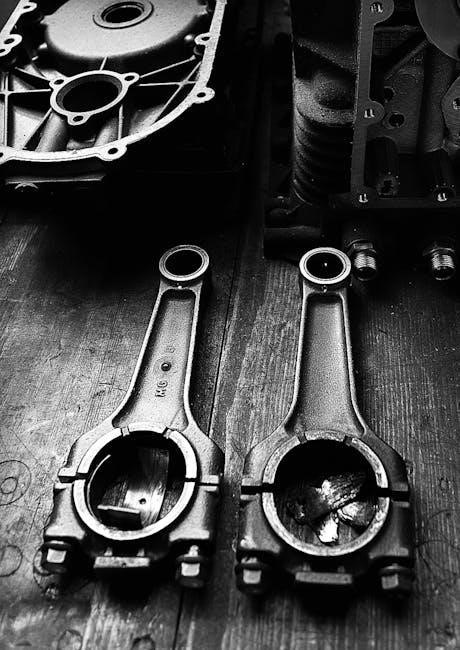
Engines in 1980s Yamaha Sun Classic Golf Carts often face issues like faulty spark plugs, clogged air filters, and carburetor malfunctions. These problems can lead to poor performance, rough idling, or Complete engine failure. Over time, the fuel lines and carburetor may degrade, causing fuel leaks or improper fuel-air mixtures. Additionally, the engine’s piston rings and cylinders may wear out, resulting in reduced power and increased oil consumption. Regular maintenance, such as cleaning or replacing the air filter and spark plug, can prevent these issues. However, if neglected, these problems may require more extensive repairs, including carburetor rebuilding or engine overhauls. Addressing these issues early is crucial to ensure the longevity and reliability of the golf cart’s engine.

Electrical System Troubleshooting

Electrical issues in 1980s Yamaha Sun Classic Golf Carts often stem from worn or corroded connections, faulty solenoids, or dead batteries. Start by inspecting the battery terminals and cables for corrosion. If the cart won’t start, test the solenoid for proper engagement. Use a multimeter to check voltage and continuity in wiring and connections. Fuses or circuit breakers may also fail, interrupting power to critical systems. Consult the repair manual for wiring diagrams to trace electrical faults systematically. Replacing worn-out components and ensuring clean connections can resolve many issues. Persistent problems may require professional diagnostics to identify less obvious faults, such as failing ignition coils or faulty sensors. Regular electrical system checks can prevent sudden failures and keep your golf cart running reliably.

Common Faults in the Fuel System

Common faults in the fuel system of 1980s Yamaha Sun Classic Golf Carts often include clogged carburetor jets, cracked fuel lines, and faulty fuel pumps. Over time, old gasoline can degrade and clog the carburetor, leading to poor engine performance or failure to start. Cracked or brittle fuel lines may leak, reducing fuel flow and causing intermittent issues. A malfunctioning fuel pump can fail to deliver fuel to the carburetor, resulting in a non-running engine. Additionally, a blocked fuel tank vent can create vacuum issues, preventing proper fuel flow. Regular inspection and cleaning of the carburetor, replacement of worn-out fuel lines, and testing of the fuel pump can resolve these issues. Always use fresh, ethanol-free gasoline to prevent corrosion and clogging. Addressing these faults promptly ensures reliable operation of your vintage golf cart.

Step-by-Step Repair Procedures

This section provides a guide with detailed instructions for DIY enthusiasts, covering troubleshooting, maintenance, and repair processes to ensure clarity and effectiveness in keeping your cart operational and extending its longevity.

Replacing the Spark Plug and Air Filter

Replacing the spark plug and air filter in your 1980s Gas Yamaha Sun Classic Golf Cart is a straightforward process that ensures optimal engine performance. Begin by locating the spark plug, typically near the engine. Use a spark plug socket to remove the old plug, then gap the new one using a gapping tool. Install the new spark plug and tighten it securely. For the air filter, find it near the carburetor, usually in a rectangular box. Remove the old filter, inspect it, and either clean or replace it with a new one. Ensure the new filter fits properly and secure the box. Regular maintenance of these components is crucial for smooth engine operation and longevity. Always refer to the repair manual for specific instructions and recommendations.

Adjusting the Carburetor for Optimal Performance

Adjusting the carburetor on your 1980s Gas Yamaha Sun Classic Golf Cart is essential for maintaining proper engine performance. Start by ensuring the cart is on a level surface and the engine is cool. Locate the carburetor adjustment screws, usually labeled for air-fuel mixture. Turn the idle mixture screw clockwise to lean the mixture, then counterclockwise to richen it, monitoring the engine’s response. Adjust the idle speed screw to achieve a smooth idle without stalling. For precise tuning, use a tachometer to set the RPM within the recommended range. If the cart has a high-speed adjustment, fine-tune it for optimal power at higher speeds. Always refer to the repair manual for specific instructions, as improper adjustments can lead to poor performance or damage. Regular carburetor maintenance ensures reliable operation and extends the cart’s lifespan.

Inspecting and Replacing the Brake System

Inspecting and replacing the brake system on your 1980s Gas Yamaha Sun Classic Golf Cart is crucial for safety and reliability. Start by examining the brake shoes for wear or damage, ensuring they have sufficient lining. Check the brake drums for scoring or excessive wear, and replace them if necessary. Inspect the brake cables for fraying or corrosion, and lubricate or replace them as needed. If the master cylinder shows signs of fluid leakage or damage, it must be replaced to maintain proper brake function. When replacing components, use genuine Yamaha parts to ensure compatibility and performance. After installation, bleed the brake system to remove any air bubbles and test the brakes thoroughly to ensure they function correctly. Regular maintenance and inspections will help prevent brake failures and keep your cart safe to operate.

Maintenance Tips to Extend the Life of Your Golf Cart

Regular checks, lubrication of moving parts, and proper battery maintenance are essential to prolong the life of your 1980s Gas Yamaha Sun Classic Golf Cart. Always clean the cart thoroughly and ensure tire pressure is optimal. Refer to your repair manual for specific maintenance schedules and procedures to keep your cart running smoothly for years.

Regular Checks and Servicing Schedule

Regular checks are crucial for maintaining the performance and longevity of your 1980s Gas Yamaha Sun Classic Golf Cart. Start with a weekly inspection of tire pressure, brakes, and battery connections. Every 50 hours of use, lubricate moving parts like the steering system and suspension. Replace the air filter every 100 hours to ensure proper engine airflow. Check the spark plug and replace it annually or as specified in the manual. Schedule a full service every 200 hours, including oil changes and carburetor adjustments. Keep a detailed log of all maintenance activities to track the cart’s condition. Adhering to this schedule ensures optimal performance and prevents major repairs down the line. Regular servicing not only saves money but also enhances safety and reliability. Consistency is key to preserving your vintage golf cart’s value and functionality. Always refer to your repair manual for specific guidelines tailored to your model. By following these steps, you can enjoy years of trouble-free operation. Proper maintenance extends the life of your cart and maintains its efficiency. Avoiding neglect ensures your cart remains in excellent working condition. Stay proactive with regular checks to identify and address potential issues early. This preventive approach safeguards against unexpected breakdowns and costly fixes. Regular servicing is an investment in your cart’s longevity and your satisfaction as an owner. It’s a simple yet effective way to keep your 1980s Gas Yamaha Sun Classic running like new. Regular checks and servicing are vital for maintaining the health and performance of your golf cart. By following the recommended schedule, you ensure everything operates smoothly and efficiently. This routine maintenance is essential for preserving your cart’s condition and functionality over time. Always prioritize regular checks to maintain your cart’s reliability and extend its lifespan. Proper servicing prevents minor issues from becoming major problems, saving you time and money. Stay consistent with your maintenance schedule to keep your golf cart in top shape. Regular checks and servicing are the cornerstone of responsible ownership, ensuring your cart continues to perform well for years to come. Adhering to the recommended schedule guarantees optimal performance and longevity. Regular maintenance is a small effort that yields significant long-term benefits for your 1980s Gas Yamaha Sun Classic Golf Cart.

Updating and Replacing Parts

Updating and replacing parts on your 1980s Gas Yamaha Sun Classic Golf Cart is essential for maintaining its performance and extending its lifespan. Start by identifying worn-out or outdated components using your repair manual as a guide. Begin with simple replacements like the air filter or spark plug, ensuring you use the correct tools to avoid damage. Consult the manual for diagrams to locate these parts accurately. When upgrading, consider compatibility and consult forums for recommendations on aftermarket parts. Compare prices from various sources, including used options, but prioritize quality and longevity. Assess your DIY skills; if unsure, seek a professional. Keep a maintenance log to track replacements and ensure safety by following manual guidelines, such as disconnecting the battery. This organized approach ensures your cart remains reliable and well-maintained.

DIY vs. Professional Repair

Deciding between DIY and professional repair for your 1980s Gas Yamaha Sun Classic Golf Cart depends on your mechanical skills and the complexity of the issue. Simple tasks like replacing the air filter or spark plug can be handled with basic tools and the guidance of a repair manual. However, complex problems, such as electrical system overhauls or engine rebuilds, often require specialized expertise and tools, making professional repair the safer and more efficient option. Assess your confidence and experience before tackling repairs. DIY can save money but may lead to further damage if done incorrectly. Conversely, professionals ensure quality and safety, though at a higher cost. Always prioritize safety by disconnecting the battery and using proper protective equipment, regardless of the approach you choose.

Sources for 1980s Yamaha Sun Classic Repair Manuals

1980s Yamaha Sun Classic repair manuals can be found through official Yamaha dealers, online marketplaces like eBay, and specialized forums or vintage golf cart communities.

Official Yamaha Dealers and Websites

Official Yamaha dealers and websites are the most reliable sources for 1980s Yamaha Sun Classic repair manuals. Yamaha’s official parts and service websites often provide access to original manuals, ensuring authenticity and accuracy. Additionally, authorized Yamaha dealers can offer these manuals, either in print or digital format, tailored to specific models like the Sun Classic. Yamaha’s corporate website may also feature a dedicated section for vintage or discontinued models, making it easier to locate the necessary documentation. By utilizing these official channels, owners can ensure they are using genuine and comprehensive repair guides, which are essential for maintaining and restoring their classic golf carts effectively. This approach guarantees access to detailed diagrams, parts lists, and step-by-step instructions, all validated by Yamaha’s expertise.

Online Marketplaces and Forums

Online marketplaces and forums are valuable resources for locating 1980s Yamaha Sun Classic repair manuals. Websites like eBay, Amazon, and specialized golf cart forums often feature PDF versions of vintage manuals. Enthusiast communities, such as Golf Cart Forum or Yamaha-specific groups, frequently share repair guides and offer advice. Additionally, platforms like Etsy may have sellers offering scanned copies of rare manuals. These online spaces not only provide access to hard-to-find documentation but also foster connections with experienced owners and technicians. While these sources can be highly useful, it’s important to verify the authenticity and completeness of the manuals before purchasing or downloading. Online forums also serve as hubs for troubleshooting and DIY tips, making them indispensable for owners seeking to maintain their classic carts effectively.

Specialized Vintage Golf Cart Communities

Specialized vintage golf cart communities are excellent resources for locating rare 1980s Yamaha Sun Classic repair manuals. These niche groups, often found on forums or social media, are dedicated to preserving and restoring classic golf carts. Members frequently share scanned copies of manuals, parts lists, and DIY guides. Platforms like Golf Cart Forum or classic Yamaha enthusiast groups provide a space for owners to exchange information and advice. Additionally, some communities host libraries of downloadable documents, including hard-to-find manuals for vintage models. Engaging with these communities not only helps in acquiring repair manuals but also connects owners with experienced technicians and enthusiasts who can offer valuable insights and support. These networks are invaluable for maintaining and restoring vintage golf carts effectively.

Safety Precautions When Repairing Your Golf Cart

Always wear protective gear, ensure the cart is stable, and disconnect the battery before starting repairs to avoid accidents and electrical hazards.

General Safety Guidelines

When repairing your 1980s Gas Yamaha Sun Classic Golf Cart, always prioritize safety. Wear protective gear such as gloves, safety glasses, and a face mask. Ensure the cart is on a stable, level surface and apply the parking brake. Disconnect the battery before working on electrical systems to prevent shocks or short circuits. Use proper tools and avoid improvised equipment that could cause accidents. Keep flammable materials away from the workspace, especially when handling fuel or electrical components. Never test-drive the cart until all repairs are complete and verified. Regularly inspect the cart’s brakes and suspension for stability. If unsure about a procedure, consult the manual or seek professional assistance. Always follow the manufacturer’s guidelines to ensure your safety and the cart’s reliability. Remember, safety should never be compromised during repairs.

Protective Equipment and Tools

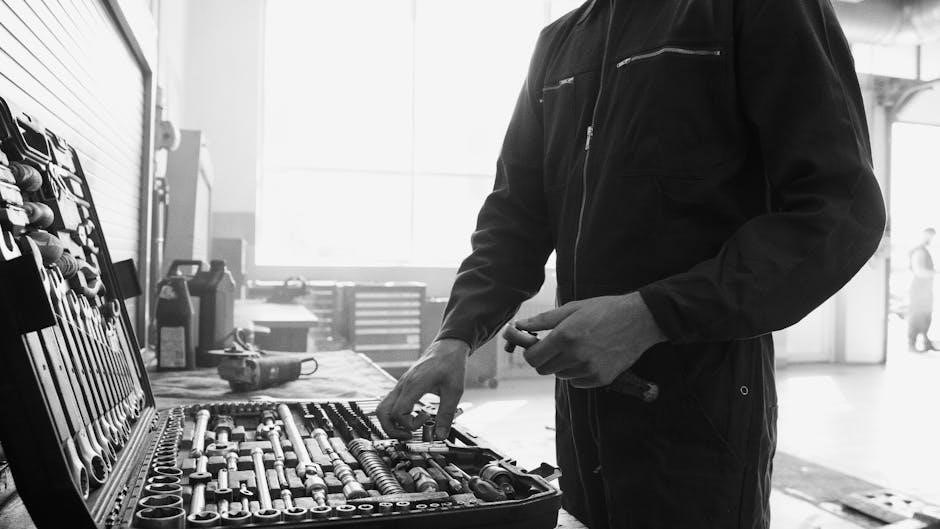
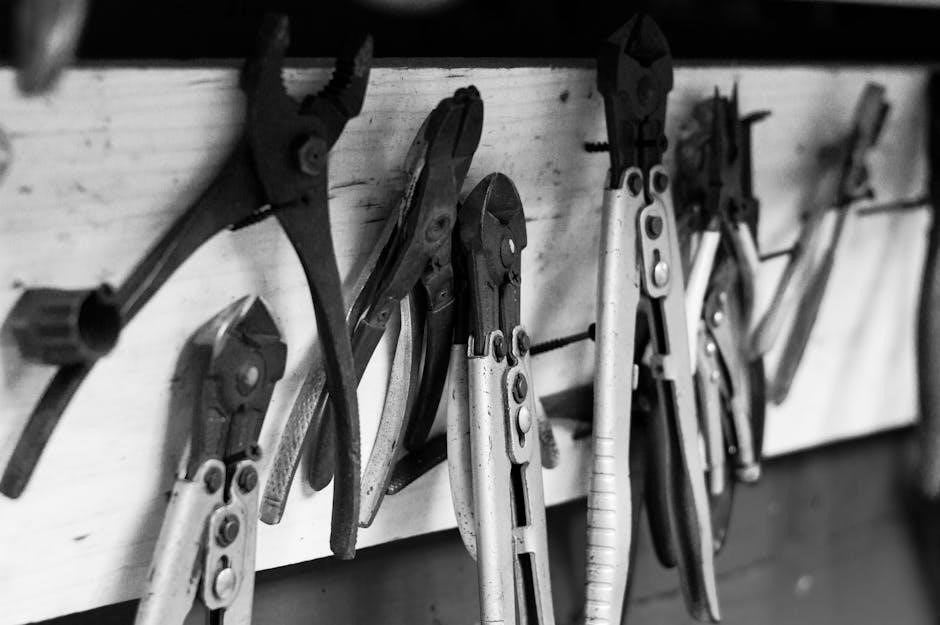
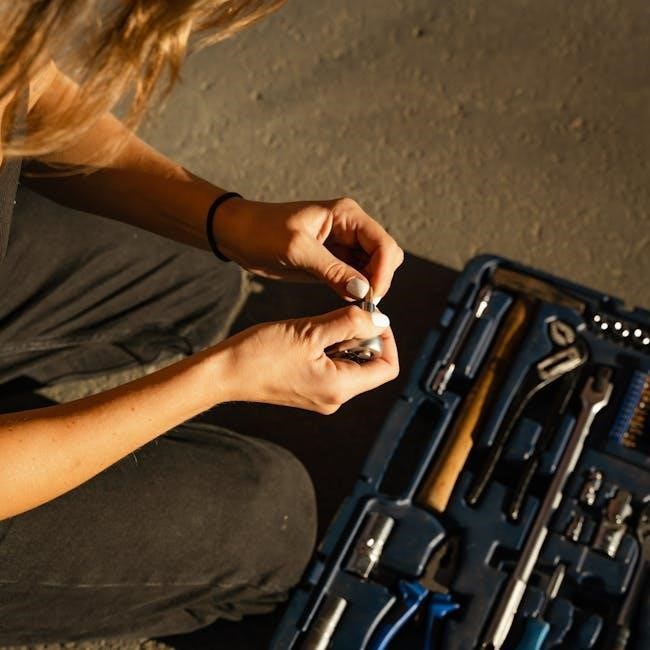
When working on your 1980s Gas Yamaha Sun Classic Golf Cart, it’s crucial to use the right protective equipment and tools. Always wear gloves to protect your hands from cuts and abrasions, and use safety glasses to shield your eyes from debris. A face mask is recommended when handling dust or chemicals. Invest in a quality socket set, wrenches, and screwdrivers for precise adjustments. A multimeter is essential for diagnosing electrical issues, while a jack and jack stands will help you safely lift the cart. Keep a fire extinguisher nearby, especially when working with fuel systems. Proper tools and protective gear ensure your safety and prevent damage to the cart. Always refer to the manual for specific tool recommendations to avoid unnecessary risks and ensure accurate repairs.

Environmental Considerations

When repairing your 1980s Gas Yamaha Sun Classic Golf Cart, it’s important to consider environmental impact. Properly dispose of hazardous materials like oil, batteries, and cleaning solvents to prevent pollution. Use eco-friendly cleaning products and avoid draining fluids into the ground. Recycle metal and plastic parts whenever possible to reduce waste. If replacing fuel lines or components, ensure they are stored securely to prevent leaks. Always follow local regulations for waste disposal and consider energy-efficient practices during repairs. By being mindful of environmental considerations, you can help preserve the longevity of your cart while minimizing its ecological footprint.

1980s Gas Yamaha Sun Classic Golf Cart repair manuals are invaluable for maintaining and restoring these vintage carts, ensuring they run efficiently for years to come.

Final Thoughts on Repairing Your Yamaha Sun Classic

Repairing your 1980s Gas Yamaha Sun Classic Golf Cart is a rewarding process that requires patience and the right resources. These vintage carts, while durable, benefit significantly from proper maintenance and timely repairs. By following the guidelines in repair manuals, you can address common issues like engine problems, electrical faults, and fuel system leaks effectively. Always prioritize safety, using protective equipment and adhering to environmental guidelines. Regular maintenance, such as checking brakes, cleaning filters, and inspecting battery connections, will extend the life of your cart. For complex repairs, consider consulting official Yamaha manuals or seeking advice from specialized forums. DIY efforts can be fulfilling, but don’t hesitate to involve professionals when needed. Keep your Yamaha Sun Classic running smoothly for years to come with consistent care and attention.

Encouragement to Use Manuals Effectively

Using 1980s Gas Yamaha Sun Classic Golf Cart repair manuals is crucial for ensuring your cart runs efficiently and safely. These manuals are designed to empower owners with the knowledge needed to perform repairs and maintenance confidently. By following the step-by-step guides, you can address issues early, preventing costly damages and extending the life of your cart. Regular maintenance, as outlined in the manuals, not only enhances performance but also ensures reliability. Whether you’re a DIY enthusiast or seeking professional help, these resources provide invaluable insights. Embrace the opportunity to preserve your Yamaha Sun Classic’s value and functionality by leveraging the detailed instructions and expert advice found within these manuals.

the manual to manhood

Manhood is a dynamic concept evolving through generations‚ blending traditional values with modern expectations. It encompasses resilience‚ integrity‚ and self-awareness‚ forming the foundation for personal growth and societal contribution;

1.1 Defining Manhood in the Modern Era

Defining manhood in the modern era requires a nuanced understanding of evolving societal expectations and personal values. Traditional notions of masculinity are being redefined‚ emphasizing emotional intelligence‚ vulnerability‚ and inclusivity. Modern manhood encourages men to embrace their full humanity‚ balancing strength with empathy and resilience with sensitivity. It rejects toxic stereotypes‚ fostering a culture of equality‚ respect‚ and mutual support. This contemporary perspective celebrates diversity in masculinity‚ recognizing that manhood is not a one-size-fits-all concept. Instead‚ it is shaped by individual experiences‚ cultural contexts‚ and the pursuit of personal growth. By embracing these qualities‚ men can navigate the complexities of today’s world with integrity and purpose.

1.2 Historical Perspectives on Masculinity

Historical perspectives on masculinity reveal a complex evolution shaped by cultural‚ social‚ and economic factors. Traditionally‚ masculinity was often associated with roles like provision‚ protection‚ and authority. Over time‚ societal shifts‚ such as the sexual revolution and feminist movements‚ challenged these norms. Studies on working-class masculine identity and displays of masculinity among young men highlight changes in how manhood is expressed. The concept has transitioned from rigid‚ stereotypical roles to more fluid definitions. Research underscores how masculinity varies across cultures and generations‚ emphasizing adaptability. Understanding these historical dynamics is crucial for redefining manhood in contemporary contexts.

1.3 The Evolution of Gender Roles

Gender roles have historically been shaped by societal norms‚ cultural expectations‚ and economic conditions. Traditionally‚ men were often expected to embody strength‚ assertiveness‚ and leadership‚ while women were associated with nurturing and domesticity. However‚ these roles have evolved significantly over time. The feminist movement and shifting workplace dynamics have challenged these stereotypes‚ leading to more fluid definitions of gender roles. Research highlights how these changes have impacted both men and women‚ emphasizing adaptability and mutual respect. The evolution reflects a broader societal shift toward equality and inclusivity‚ allowing individuals to embrace diverse expressions of masculinity and femininity. This transformation continues to influence contemporary understandings of manhood.

Personal Development for Men

Personal development for men involves cultivating emotional intelligence‚ self-discipline‚ and resilience. It empowers individuals to embrace growth‚ fostering confidence and purpose in their lives and relationships.

2.1 Building Emotional Intelligence

Emotional intelligence (EI) is the ability to recognize‚ understand‚ and manage one’s emotions and those of others. For men‚ developing EI is crucial in today’s world‚ where empathy and self-awareness are valued. It involves self-reflection‚ active listening‚ and compassion. By cultivating EI‚ men can improve relationships‚ communicate effectively‚ and make informed decisions. EI also enhances resilience‚ helping men navigate challenges with emotional balance. Practical steps include practicing mindfulness‚ identifying emotional triggers‚ and seeking feedback. Over time‚ emotional intelligence becomes a cornerstone of personal growth‚ fostering authenticity and connection in all areas of life.

2.2 Developing Self-Discipline and Responsibility

Self-discipline and responsibility are essential pillars of manhood‚ fostering accountability and integrity. These traits enable men to set and achieve goals‚ prioritize tasks‚ and maintain commitments. Developing self-discipline involves creating routines‚ setting boundaries‚ and practicing self-control. Responsibility extends to personal actions‚ financial decisions‚ and contributions to family and community. By embracing these values‚ men build trust and respect in their relationships and professional lives. Cultivating self-discipline and responsibility requires consistent effort‚ self-awareness‚ and a willingness to learn from mistakes. These qualities not only shape individual character but also inspire others‚ demonstrating leadership and maturity in various aspects of life.

2.3 Cultivating Resilience in the Face of Adversity

Resilience is the ability to adapt and overcome challenges‚ a cornerstone of manhood in today’s fast-paced world. It involves embracing adversity as a catalyst for growth‚ rather than viewing it as an obstacle. Developing resilience requires a mindset shift‚ where failures and setbacks are seen as opportunities to learn and improve. Practical steps include practicing mindfulness‚ building a support network‚ and maintaining a healthy work-life balance. Resilient individuals are better equipped to navigate life’s uncertainties with confidence and determination. By fostering resilience‚ men can lead more balanced‚ purposeful lives‚ inspiring others to embrace challenges with courage and adaptability in an ever-changing world.

Relationships and Communication

Effective communication is the cornerstone of meaningful relationships‚ fostering trust‚ empathy‚ and emotional intelligence. It strengthens bonds in romantic partnerships‚ friendships‚ and family dynamics‚ ensuring mutual understanding and respect.

3.1 Effective Communication in Romantic Relationships

Effective communication in romantic relationships is built on active listening‚ clarity‚ and empathy. It involves expressing emotions honestly while respecting your partner’s perspective. Active listening helps deepen understanding‚ fostering trust and intimacy. Clear communication prevents misunderstandings and strengthens the bond. Empathy allows partners to connect on a deeper level‚ resolving conflicts constructively. Regular‚ open conversations ensure both parties feel heard and valued. By mastering these skills‚ men can navigate relationship challenges with maturity and sensitivity‚ creating a foundation of mutual respect and understanding. This approach not only enhances emotional intelligence but also fosters a supportive and loving partnership‚ essential for long-term relationship success.

3.2 Building Strong Friendships

Building strong friendships requires trust‚ loyalty‚ and open communication. Trust is the foundation‚ fostering a safe environment for sharing thoughts and feelings. Loyalty ensures commitment through life’s ups and downs. Active listening and empathy strengthen bonds‚ showing genuine care for others’ well-being. Shared experiences and mutual interests create lasting connections‚ while respect for boundaries maintains healthy relationships. Men should prioritize quality over quantity‚ investing time in meaningful interactions. Nurturing friendships through support and encouragement fosters personal growth and resilience. By being reliable and authentic‚ men can build enduring friendships that provide emotional support and a sense of belonging. Strong friendships enrich life and contribute to overall well-being.

3.3 Navigating Family Dynamics

Navigating family dynamics requires a balance of respect‚ communication‚ and adaptability. Understanding individual roles and responsibilities within the family structure fosters harmony and mutual respect. Effective communication involves active listening and expressing emotions clearly‚ which helps resolve conflicts and strengthens bonds. Men should strive to create a supportive environment where every family member feels valued and heard. Adapting to changing family needs and dynamics is crucial‚ as relationships evolve over time. Respecting boundaries while maintaining emotional connections ensures healthy interactions. By being a reliable and understanding presence‚ men can contribute to a stable and loving family foundation. Strong family dynamics provide a sense of belonging and support‚ enriching both personal and collective growth.

Career and Financial Literacy

Career and financial literacy empowers men to align passions with purpose‚ master budgeting‚ and achieve work-life balance‚ fostering long-term security and personal fulfillment through disciplined planning.

4.1 Finding Purpose in Your Career

Discovering purpose in your career is a cornerstone of fulfilling work and personal satisfaction. It involves aligning your passions‚ skills‚ and values with meaningful opportunities. Research indicates that purpose-driven careers lead to higher job satisfaction and longevity. Men often find purpose by identifying roles that contribute to societal good or resonate with personal values. This alignment fosters a sense of direction and fulfillment‚ enabling them to make a positive impact. By exploring interests and leveraging strengths‚ men can carve out careers that are not only successful but also personally rewarding and socially impactful.

4.2 Mastering Financial Planning and Budgeting

Financial planning and budgeting are essential skills for achieving stability and security. Start by assessing your income and expenses to create a realistic budget that prioritizes needs over wants. Allocate funds for savings‚ emergencies‚ and long-term goals‚ such as retirement or buying a home. Using tools like budgeting apps or spreadsheets can help track spending and stay disciplined. Building an emergency fund to cover unexpected expenses is crucial for financial resilience. Avoid unnecessary debt by making smart purchasing decisions and investing wisely in assets that grow in value. Mastering these practices ensures financial independence‚ reduces stress‚ and provides peace of mind for the future.

4.3 Achieving Work-Life Balance

Achieving work-life balance is crucial for maintaining overall well-being and fostering meaningful relationships. It involves setting clear boundaries between professional and personal life to ensure time for both productivity and relaxation. Prioritize tasks‚ delegate when possible‚ and use tools like calendars or to-do lists to manage time effectively. Regularly disconnect from work-related activities to engage in hobbies‚ spend time with loved ones‚ or pursue personal interests. A balanced lifestyle reduces stress‚ improves mental health‚ and increases job satisfaction. By intentionally allocating time for self-care and leisure‚ men can create a harmonious blend of professional success and personal fulfillment‚ leading to a more satisfying and purposeful life.

Health and Wellness

Physical and mental well-being are essential for a man’s overall quality of life. Regular exercise‚ balanced nutrition‚ and mental health awareness foster resilience and vitality‚ ensuring long-term health.

5.1 Importance of Physical Health for Men

Physical health is a cornerstone of manhood‚ enabling men to lead active‚ productive lives. Regular exercise improves cardiovascular health‚ builds strength‚ and enhances mental clarity. A balanced diet rich in nutrients supports energy levels and overall well-being. Prioritizing physical health reduces the risk of chronic diseases‚ such as heart disease and diabetes‚ which are prevalent among men. Additionally‚ maintaining a healthy weight and avoiding harmful habits‚ like excessive alcohol consumption‚ contributes to longevity. Exercise also boosts mood by releasing endorphins‚ which combat stress and anxiety. By taking care of their bodies‚ men set a foundation for resilience‚ confidence‚ and the ability to fulfill responsibilities effectively. Physical health is not just a personal choice but a commitment to oneself and others.

5.2 Mental Health Awareness and Self-Care

Mental health awareness is crucial for modern manhood‚ as it challenges traditional notions of stoicism and encourages emotional openness. Men often face societal pressures to suppress emotions‚ which can lead to anxiety‚ depression‚ and isolation. Prioritizing mental well-being involves acknowledging vulnerabilities and seeking support when needed. Practices like mindfulness‚ therapy‚ and stress management foster resilience and emotional intelligence. Self-care routines‚ such as meditation or journaling‚ help men process emotions and maintain balance. Breaking stigmas around mental health empowers men to embrace vulnerability as a strength‚ not a weakness. By addressing mental health proactively‚ men can cultivate healthier relationships‚ make sound decisions‚ and lead fulfilling lives. Mental fitness is as vital as physical health in achieving overall well-being.

5.3 Nutrition and Lifestyle Choices

Nutrition and lifestyle choices play a pivotal role in a man’s overall health and well-being. A balanced diet rich in essential nutrients‚ such as proteins‚ vitamins‚ and minerals‚ supports energy levels‚ physical performance‚ and longevity. Incorporating whole foods‚ fruits‚ vegetables‚ and lean meats helps maintain optimal health. Regular exercise‚ paired with a healthy diet‚ fosters strength‚ endurance‚ and mental clarity. Healthy lifestyle habits‚ such as adequate sleep‚ stress management‚ and avoiding harmful substances like tobacco and excessive alcohol‚ are essential for long-term vitality. By prioritizing nutrition and mindful living‚ men can enhance their quality of life‚ set a positive example for others‚ and build a foundation for lasting health and resilience.

Leadership and Mentorship

Leadership and mentorship empower men to guide‚ inspire‚ and nurture others‚ fostering personal and professional growth while creating a lasting‚ positive impact in their communities and beyond.

6.1 Developing Leadership Skills

Developing leadership skills is essential for men to inspire and guide others effectively. Leadership involves fostering a vision‚ making ethical decisions‚ and taking responsibility for outcomes. Emotional intelligence‚ communication‚ and empathy are key components. A true leader motivates teams‚ resolves conflicts‚ and empowers individuals to reach their potential. Practicing integrity‚ adaptability‚ and resilience strengthens leadership abilities. Men can cultivate these skills through mentorship‚ self-reflection‚ and hands-on experience. Leading by example demonstrates commitment to personal growth and community impact‚ creating a legacy of positive influence and trustworthiness. By embracing challenges and learning from failures‚ men can evolve into compassionate and effective leaders in both personal and professional realms.

6.2 The Role of Mentorship in Personal Growth

Mentorship plays a vital role in personal growth‚ offering guidance‚ wisdom‚ and support. A mentor provides valuable insights‚ helping men navigate challenges and make informed decisions. Through mentorship‚ individuals gain self-awareness‚ develop confidence‚ and refine their skills. Mentors also foster accountability‚ encouraging men to set and achieve meaningful goals. This relationship not only enhances personal development but also cultivates emotional intelligence and resilience. Mentorship is a two-way street‚ as both mentors and mentees grow through shared experiences and perspectives. By embracing mentorship‚ men can unlock their potential‚ build stronger relationships‚ and contribute positively to their communities. This transformative process empowers individuals to become better versions of themselves.

6.3 Leading by Example in Your Community

Leading by example is a cornerstone of manhood‚ demonstrating integrity‚ responsibility‚ and compassion. Men who lead by example inspire others through their actions‚ fostering trust and respect. By setting a positive standard‚ they create a ripple effect‚ encouraging others to follow suit. This leadership fosters a sense of community and shared purpose. Leading by example involves volunteering‚ mentoring‚ and taking initiative in local issues. It also means standing up for what is right‚ even when it is challenging. Through consistent‚ ethical behavior‚ men can become role models‚ shaping a better future for their communities. Leading by example is not just about authority—it’s about inspiring positive change and leaving a lasting legacy.

Societal Expectations and Challenges

Societal expectations often impose rigid definitions of masculinity‚ creating challenges for men to balance traditional roles with modern demands. Breaking stereotypes and embracing resilience is crucial.

7.1 Breaking Stereotypes About Masculinity

Breaking stereotypes about masculinity involves challenging outdated notions of gender roles and embracing a more inclusive understanding of manhood. Traditional views often emphasize strength‚ emotional suppression‚ and dominance‚ which can limit men’s ability to express vulnerability. Research shows that societal pressures to conform to rigid masculine ideals can lead to mental health issues and hinder personal growth. Modern masculinity encourages men to embrace emotional expression and vulnerability‚ fostering healthier relationships and self-awareness. By rejecting harmful stereotypes‚ men can redefine what it means to be masculine‚ creating a more balanced and authentic identity that aligns with contemporary values of equality and empathy.

7.2 Overcoming Societal Pressure

Overcoming societal pressure requires men to challenge external expectations and align their actions with personal values. Societal norms often dictate how men should behave‚ emphasizing success‚ dominance‚ and emotional suppression. These pressures can lead to stress‚ anxiety‚ and a sense of disconnection. To overcome them‚ men must embrace authenticity and reject unrealistic standards. Encouraging vulnerability and open communication helps reduce the burden of societal expectations. Building a support network of understanding friends‚ family‚ and mentors can also alleviate pressure. By fostering self-awareness and setting boundaries‚ men can navigate societal demands while staying true to themselves. This journey empowers individuals to redefine success and masculinity on their own terms‚ promoting mental and emotional well-being.

7.3 Addressing Toxic Masculinity

Toxic masculinity refers to harmful stereotypes that emphasize aggression‚ dominance‚ and emotional suppression. These traits can lead to negative behaviors‚ damaging relationships and mental health. Addressing this requires recognizing and challenging these harmful norms. Promoting emotional intelligence‚ empathy‚ and vulnerability helps counteract toxic influences. Encouraging open conversations about feelings and weaknesses fosters healthier expressions of masculinity. Society must redefine traditional masculine ideals‚ embracing diversity and inclusivity. By rejecting harmful stereotypes‚ men can cultivate authentic‚ respectful relationships and contribute to a more balanced‚ equitable world. This shift supports personal growth and societal harmony‚ encouraging men to embrace their humanity without conforming to destructive expectations.

Ethical Decision-Making

Ethical decision-making involves aligning actions with moral principles‚ fostering integrity and accountability. It requires considering the impact of choices on others‚ ensuring fairness and respect in all interactions.

8.1 Understanding Moral Responsibility

Understanding moral responsibility is crucial for ethical decision-making. It involves recognizing the impact of one’s actions on others and accepting accountability for those consequences. Moral responsibility requires self-reflection and a commitment to aligning behaviors with ethical principles. By embracing this mindset‚ individuals foster trust and respect in their relationships and communities. It encourages empathy‚ fairness‚ and a sense of duty to act in ways that promote the greater good. Cultivating moral responsibility helps men navigate complex situations with integrity‚ ensuring their choices reflect their values and contribute positively to society. This foundation is essential for building a strong ethical framework in personal and professional life.

8.2 Making Ethical Choices in Everyday Life

Making ethical choices in everyday life is essential for fostering integrity and accountability. It involves aligning actions with personal values and considering the impact on others. Ethical decision-making requires self-reflection‚ mindfulness‚ and a commitment to fairness. By prioritizing empathy and honesty‚ men can build trust and inspire positive change in their interactions. Ethical choices not only shape individual character but also contribute to the well-being of communities. Embracing this mindset helps navigate challenges with confidence and purpose‚ ensuring that actions reflect a deeper sense of responsibility and respect for others. This practice strengthens relationships and promotes a culture of mutual respect and understanding.

8.3 The Importance of Integrity

Integrity is the cornerstone of a man’s character‚ reflecting honesty‚ transparency‚ and moral consistency. It involves aligning actions with core values‚ even when no one is watching. A man of integrity earns trust and respect‚ fostering strong relationships and a positive reputation. Integrity guides decision-making‚ helping men navigate complex situations with clarity and conscience. By staying true to their principles‚ men build a foundation of reliability and accountability. Integrity also promotes personal growth‚ as it encourages men to act responsibly and ethically in all aspects of life. Ultimately‚ integrity is not just a virtue but a lifelong commitment to being truthful‚ authentic‚ and just in every interaction.

Manhood is a journey of continuous growth‚ shaped by integrity and responsibility. The future calls for embracing these values to lead and inspire in a changing world.

9.1 Embracing Continuous Growth

Continuous growth is a cornerstone of modern manhood‚ emphasizing self-awareness‚ resilience‚ and adaptability. It involves recognizing that personal development is a lifelong journey‚ not a destination. By embracing growth‚ men can evolve emotionally‚ intellectually‚ and spiritually‚ fostering a deeper understanding of themselves and their roles in society. This mindset encourages learning from mistakes‚ embracing change‚ and striving for improvement in all facets of life. Growth-oriented individuals are better equipped to navigate challenges and contribute positively to their communities. Ultimately‚ continuous growth empowers men to become their best selves‚ leaving a lasting impact on those around them. It is a commitment to progress‚ not perfection‚ that defines this journey.

9.2 The Future of Manhood in a Changing World

The future of manhood is shaped by evolving societal expectations and the blurring of traditional gender roles. As the world becomes more inclusive‚ modern masculinity embraces emotional intelligence‚ vulnerability‚ and adaptability; Men are increasingly encouraged to prioritize mental health‚ challenge stereotypes‚ and redefine success beyond conventional measures. The rise of gender equality movements has sparked conversations about shared responsibilities and mutual respect in relationships. Technology and globalization also play a role‚ offering new avenues for personal and professional growth. Adaptability and resilience are key traits for navigating this dynamic landscape. By embracing these changes‚ men can contribute to a more equitable and compassionate society‚ paving the way for a future where manhood is defined by balance‚ empathy‚ and strength.

9.3 Passing On Values to the Next Generation

Passing on values to the next generation is a cornerstone of manhood‚ ensuring the continuation of integrity‚ respect‚ and resilience. Leading by example is paramount‚ as young minds learn from the actions and attitudes of their mentors. Encouraging open communication and fostering a supportive environment helps build strong moral foundations. Teaching empathy‚ responsibility‚ and self-discipline empowers the next generation to navigate life’s challenges with confidence. Consistency and patience are key‚ as shaping values is a lifelong journey. By instilling these principles‚ men can help create a future where the next generation thrives‚ carrying forward a legacy of compassion‚ strength‚ and wisdom.