
Human Anatomy Martini 9th Edition PDF: Article Plan
This article details the 9th edition of Martini’s Human Anatomy, focusing on its PDF availability, features, cost, and suitability for various healthcare students.
Human Anatomy by Martini, Tallitsch, and Nath stands as a cornerstone textbook for students navigating the complexities of the human body. This comprehensive resource, now in its 9th edition, continues to be lauded for its detailed approach and innovative presentation of anatomical concepts.
The enduring popularity of Martini’s Human Anatomy stems from its unique blend of visual aids – including atlas-style illustrations and clear photographs – coupled with accessible, yet thorough, explanations. This edition builds upon that foundation, offering updated content and enhanced digital resources.
This article provides a detailed overview of the 9th edition, specifically focusing on the PDF version, its key features, where to find it, associated costs, and its relevance to students in medical and allied health fields.
What is Human Anatomy Martini 9th Edition?
Human Anatomy, 9th Edition, is a widely-respected textbook designed to provide a comprehensive and visually engaging exploration of the human body’s structure. Published by Pearson, this edition maintains the hallmark atlas-style format, presenting anatomical information alongside detailed illustrations and real-world clinical images.
With 880 pages, the 9th edition delves into foundational concepts, progressing through individual body systems. It’s recognized for its clarity and accuracy, making it suitable for both introductory and advanced anatomy courses.
The PDF version offers convenient access to this essential resource, allowing students to study anytime, anywhere, with features like search, highlighting, and note-taking capabilities.
Key Authors and Contributors
The 9th Edition of Human Anatomy is the result of collaborative expertise from three prominent figures in the field. Frederic H. Martini, a highly regarded anatomy educator, laid the foundational framework for this comprehensive text. His dedication to clarity and accuracy is evident throughout the book.
Robert B. Tallitsch contributed significantly to the refinement of anatomical concepts and the integration of clinical relevance. Judi L. Nath further enhanced the text with her expertise, ensuring the book remains a leading resource for students and professionals alike.
Their combined knowledge ensures a thorough and accessible learning experience.
Frederic H. Martini
Frederic H. Martini was a renowned and highly respected figure in the field of anatomy education. His career spanned decades, dedicated to simplifying complex anatomical structures for students. He possessed a unique ability to translate intricate details into understandable concepts, making him a beloved professor and author.
Martini’s commitment to visual learning is a hallmark of his work, influencing the Human Anatomy textbook’s detailed illustrations and clear presentation. He strived to create a resource that not only taught anatomy but also fostered a deeper appreciation for the human body’s remarkable design.
Robert B. Tallitsch
Robert B. Tallitsch is a distinguished educator and anatomist who collaborated closely with Frederic H. Martini on the Human Anatomy textbook. He brought extensive expertise in physiology and a passion for integrating functional understanding with anatomical structures. His contributions were crucial in refining the textbook’s clarity and accuracy.
Tallitsch’s dedication to student learning is evident in the textbook’s pedagogical features, designed to enhance comprehension and retention. He worked tirelessly to ensure the 9th edition remained a leading resource for aspiring healthcare professionals, building upon Martini’s foundational work.
Judi L. Nath

Judi L. Nath is a highly respected anatomist and educator who joined Frederic H. Martini and Robert B. Tallitsch as a key contributor to Human Anatomy. Her expertise significantly enhanced the textbook’s content, particularly in areas requiring detailed anatomical descriptions and clinical correlations.
Nath’s commitment to pedagogical excellence is reflected in the textbook’s updated features and improved clarity. She played a vital role in ensuring the 9th edition continued to be a comprehensive and accessible resource for students pursuing careers in medicine, nursing, and allied health professions. Her work ensures lasting educational value.
Core Features of the 9th Edition
The 9th edition of Human Anatomy by Martini, Tallitsch, and Nath distinguishes itself through several core features designed to optimize learning; Notably, its atlas-style format presents anatomical structures with a visual emphasis, mimicking the experience of studying anatomical models.
Detailed illustrations meticulously depict anatomical details, while clear photographic representations offer real-world context. These elements combine to provide a robust understanding of human anatomy. The textbook’s design prioritizes clarity and accessibility, making complex concepts easier to grasp for students across various healthcare disciplines.
Atlas-Style Format
The Human Anatomy 9th edition employs a unique atlas-style format, presenting anatomical information much like a dedicated anatomy atlas. This approach prioritizes visual learning, with structures displayed as if dissecting a real body.
Each chapter integrates numerous full-color illustrations and photographs alongside descriptive text, allowing students to directly correlate anatomical descriptions with visual representations. This method enhances comprehension and retention, moving beyond rote memorization. The format is particularly beneficial for spatial understanding, crucial for fields like surgery and diagnostic imaging, making it a standout feature.
Detailed Illustrations
A hallmark of the Human Anatomy 9th edition is its exceptionally detailed and accurate illustrations. These aren’t simply diagrams; they are meticulously crafted artworks designed to reveal the intricacies of human structure.

The illustrations utilize vibrant colors and precise labeling to highlight specific anatomical features, aiding in identification and understanding. They often incorporate cross-sectional views and transparent overlays to demonstrate spatial relationships. This level of detail extends to microscopic structures, providing a comprehensive visual resource. Students benefit from the clarity and depth, fostering a stronger grasp of anatomical concepts.
Clear Photographic Representations
Complementing the detailed illustrations in the 9th edition are high-quality photographic representations of anatomical structures. These real-world images provide a crucial link between artistic depictions and actual human anatomy.
The photographs showcase dissections, histological views, and clinical images, offering diverse perspectives. They are carefully selected to demonstrate anatomical variations and pathological conditions. This visual approach enhances comprehension and prepares students for clinical practice. The clarity and resolution of these photographs are paramount, ensuring accurate observation and analysis. They serve as invaluable tools for reinforcing learning and bridging the gap between theory and practice.
Table of Contents Overview
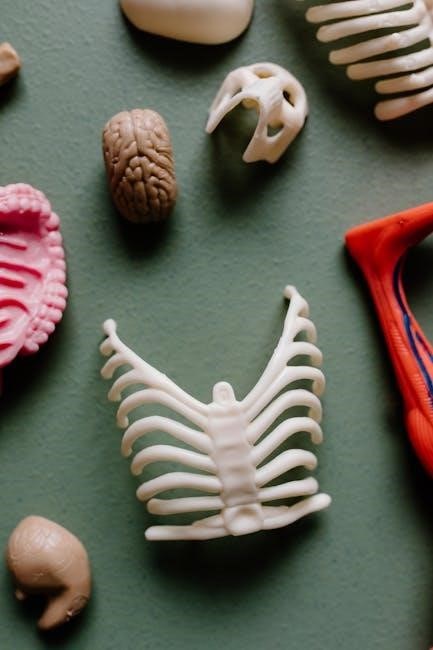
The 9th edition’s table of contents is logically structured, beginning with foundational concepts and progressing to specific body systems. Initial sections cover an introduction to anatomy, cellular biology, and tissue types, establishing a crucial base. Early embryology is also included, providing context for developmental anatomy.
Subsequent chapters systematically explore each body system, starting with the integumentary system (skin). This is followed by detailed coverage of skeletal, muscular, nervous, endocrine, cardiovascular, respiratory, digestive, urinary, and reproductive systems. The book concludes with genetics and evolution, linking anatomy to broader biological principles. This comprehensive scope ensures a thorough understanding of the human body.
This foundational section of Human Anatomy establishes core anatomical principles. It defines anatomy and physiology, exploring their interconnectedness and importance in understanding the human body. Key anatomical terminology is introduced, providing a standardized language for describing structures and their relationships.
The chapter details levels of structural organization, from chemical to organismal levels, illustrating how complexity arises. It also covers essential anatomical concepts like anatomical position, directional terms, body planes, and body cavities. These concepts are crucial for accurately interpreting anatomical descriptions and imaging. This section lays the groundwork for subsequent system-specific studies.
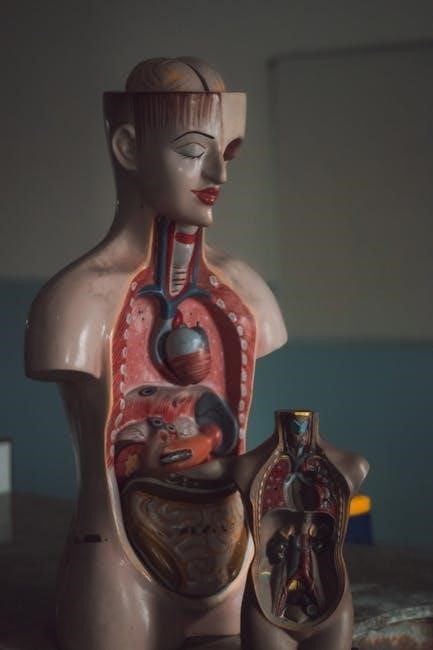
Foundations: The Cell
This section delves into the fundamental unit of life – the human cell. It comprehensively examines cellular structures, including the plasma membrane, cytoplasm, and nucleus, detailing their functions. The chapter explores membrane transport mechanisms, such as diffusion, osmosis, and active transport, vital for maintaining cellular homeostasis.
Key cellular processes like protein synthesis and cell division (mitosis and meiosis) are thoroughly explained. Different cell types and their specialized functions are also discussed, linking cellular structure to overall tissue and organ function. Understanding cellular biology is paramount for comprehending how tissues and organ systems operate.
Foundations: Tissues and Early Embryology
This foundational chapter explores the four primary tissue types: epithelial, connective, muscle, and nervous tissue. It details their structures, functions, and locations within the body, providing a crucial basis for understanding organ systems. The text examines how tissues interact to form organs and contribute to overall body function.
Early embryology is also covered, tracing the stages of development from fertilization to the formation of the primary germ layers – ectoderm, mesoderm, and endoderm. This section explains how these layers give rise to different tissues and organs, establishing a developmental context for anatomical structures.

The Integumentary System

This section provides a comprehensive overview of the skin, including its layers – epidermis, dermis, and hypodermis – and associated structures like hair, nails, and glands. It details the functions of the integumentary system, such as protection, temperature regulation, sensation, and vitamin D synthesis.
The text explores the diverse cell types within the skin, including keratinocytes, melanocytes, and immune cells, explaining their roles in maintaining skin health. It also covers common skin conditions and injuries, offering insights into the body’s response to damage and the process of wound healing. Detailed illustrations enhance understanding of complex structures.
Availability and Formats
Human Anatomy, 9th Edition, is accessible in several formats to suit diverse learning preferences. A PDF version is highly sought after for its portability and convenience, allowing study on various devices. E-textbook options are available through platforms offering rental or purchase access, often with interactive features.
The traditional print edition remains a popular choice for those who prefer a physical textbook. Pearson, the publisher, offers the book directly, alongside various third-party textbook platforms. Considerations regarding PDF downloads include potential risks associated with unofficial sources, such as malware or incomplete content.
PDF Version Details
The Human Anatomy 9th Edition PDF spans approximately 880 pages, offering a comprehensive digital replica of the print edition. Its ISBNs are 0134296036 (ISBN-10) and 978-0134296036 (ISBN-13). This format allows for easy searching, highlighting, and note-taking directly within the document.
Digital access facilitates offline study and compatibility with various devices, including tablets, laptops, and smartphones. However, ensure the PDF source is legitimate to avoid compromised files or incomplete content. Official sources guarantee the accuracy and completeness of the material, mirroring the published textbook.
E-Textbook Options
Beyond the PDF, Human Anatomy 9th Edition is available as an e-textbook through platforms like Pearson. These options often include interactive features such as search tools, highlighting capabilities, and integrated study aids. Monthly rental options provide cost-effective access, while one-time purchase grants permanent digital ownership.
Pearson’s e-textbook integrates with their MyLab and Mastering platforms, offering practice questions, study guides, and AI-powered assistance. These features enhance learning and provide personalized support. Access requires an internet connection for initial download and some interactive elements, but offline viewing is often possible.
Print Edition Information
The 9th edition of Martini’s Human Anatomy is available as a traditional hardcover textbook. This physical copy retains the detailed illustrations and clear photographic representations characteristic of the series. It’s a substantial volume, comprising 880 pages, making it a durable and comprehensive resource for study.
The print edition offers a tactile learning experience, allowing for direct annotation and physical page referencing. While generally more expensive than digital options, it eliminates the need for a device or internet connection. ISBNs include 0134296036 (ISBN-10) and 978-0134296036 (ISBN-13), aiding in accurate identification and purchase.
Where to Download the PDF
Obtaining the Human Anatomy 9th Edition PDF requires caution. The official Pearson website is the most reliable source, often offering it through authorized learning platforms. Several third-party textbook platforms also list the PDF for sale or rent, such as textbook-ebook.com. However, be wary of unofficial download sites.
These can harbor malware or offer pirated copies with compromised quality. Always verify the legitimacy of the source before providing payment information. Downloading from unverified sources poses legal and security risks. Prioritize official channels to ensure a safe and legitimate access to this valuable resource.
Official Pearson Website
Pearson, the publisher of Human Anatomy 9th Edition, provides the most secure and legitimate access to the PDF version. Typically, the PDF is available through Pearson’s Revel or MyLab platforms, requiring a course registration or direct purchase. These platforms often offer interactive features alongside the textbook content, enhancing the learning experience.
Directly purchasing from Pearson guarantees a high-quality, DRM-protected PDF, free from the risks associated with unofficial downloads. Check the Pearson website for current pricing and available access options. They may offer temporary access or rental periods. Ensure you are on the official Pearson domain to avoid phishing scams.
Third-Party Textbook Platforms
Several online platforms resell or rent digital textbooks, including the Human Anatomy 9th Edition PDF. Popular options include Chegg, VitalSource, and Amazon’s Kindle Store. These platforms often offer competitive pricing and flexible rental periods, potentially saving students money compared to purchasing directly from Pearson.
However, verify the source’s legitimacy before making a purchase. Ensure the PDF is officially licensed and not a pirated copy. Check for DRM restrictions that might limit access or printing. Compare prices across multiple platforms to find the best deal, and always read the terms and conditions carefully.
Potential Risks of Unofficial Downloads
Downloading the Human Anatomy 9th Edition PDF from unofficial sources poses significant risks. These downloads often contain malware, viruses, or other harmful software that can compromise your device and personal information. Pirated PDFs frequently have poor quality, missing pages, or incorrect formatting, hindering effective study.

Furthermore, accessing copyrighted material illegally is a violation of the law, potentially leading to legal consequences. Unofficial sources lack the support and updates offered by legitimate platforms. Protect your academic integrity and device security by only obtaining the textbook from authorized retailers like Pearson or reputable textbook platforms.
Cost and Pricing
The cost of Human Anatomy Martini 9th Edition varies depending on the format. A new print edition typically ranges from $150 to $250, depending on the retailer and any bundled materials. E-textbook rental prices offer a more affordable option, often between $40 and $70 for a six-month rental period.

PDF download pricing is less straightforward, as legitimate sources primarily offer the book through rental or purchase of the e-textbook. Beware of extremely low-priced PDFs, as these are likely illegal copies. Pearson’s official website provides the most accurate and up-to-date pricing information for all available formats.
New Print Edition Costs
The new print edition of Human Anatomy, 9th edition by Martini, Tallitsch, and Nath, generally falls within the $150 to $250 price range. However, this cost can fluctuate based on the vendor. Amazon, Barnes & Noble, and the Pearson website frequently offer varying prices. Bundled packages, including study guides or access to online resources, will naturally increase the overall expense.
Students should compare prices across multiple retailers to secure the best deal. Consider used textbook options for potential savings, but verify the condition and edition before purchasing. Financial aid and textbook scholarships may also be available to help offset the cost.
E-Textbook Rental Prices
Renting the e-textbook version of Human Anatomy, 9th edition, presents a more affordable alternative to purchasing a physical copy. Rental periods typically range from 30 days to a full semester. Pearson’s MyLab Anatomy platform and other platforms like VitalSource and Chegg offer rental options, generally costing between $40 and $80, depending on the duration.
These rentals provide instant access and often include features like search, highlighting, and note-taking. Be aware of auto-renewal policies and ensure cancellation before the rental period ends to avoid further charges. Compare rental prices across different platforms for the most economical choice;
PDF Download Pricing
Finding a legitimate PDF download of Human Anatomy, 9th edition, can be tricky, and pricing varies significantly. While Pearson doesn’t directly offer a standalone PDF purchase, unofficial sources may offer downloads ranging from $20 to $60. However, these sources pose risks (discussed elsewhere).
Bundling the PDF with access to MyLab Anatomy through Pearson is a common, though more expensive, option, potentially costing $90-$150. Consider the long-term value and access to supplementary materials when evaluating costs. Always prioritize official sources to ensure quality and legality, despite potentially higher prices.
Use Cases and Target Audience
Human Anatomy, 9th edition, serves as a foundational text for numerous healthcare disciplines. Primarily, medical students rely on its detailed illustrations and comprehensive coverage for coursework and exam preparation. Nursing students benefit from the clear explanations of anatomical structures relevant to patient care.
Allied health professionals – including physical therapists, athletic trainers, and radiologic technologists – utilize the text to deepen their understanding of the human body. Its atlas-style format is particularly valuable for visualizing complex anatomical relationships. The book’s depth makes it suitable for both introductory and advanced anatomy courses.
Medical Students
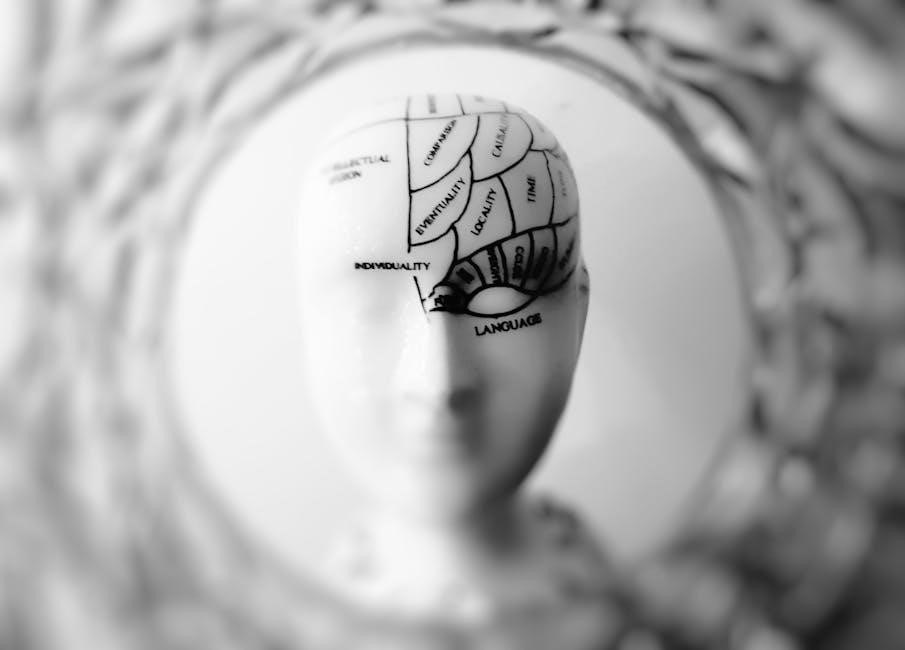
For medical students, Human Anatomy by Martini is an indispensable resource throughout their pre-clinical years. The 9th edition’s detailed illustrations and precise terminology are crucial for mastering complex anatomical structures. Its comprehensive nature aids in understanding the clinical relevance of anatomy, preparing students for future diagnostic and treatment scenarios.
The book’s organization facilitates efficient study, allowing students to quickly locate information needed for coursework and board exam preparation. The PDF version offers convenient access for on-the-go learning and digital note-taking, enhancing the overall learning experience and solidifying foundational knowledge.
Nursing Students
Nursing students benefit immensely from the clarity and visual detail offered in Martini’s Human Anatomy, 9th edition. Understanding anatomical structures is fundamental to comprehending physiological processes and providing effective patient care. The book’s atlas-style format and clear photographic representations simplify the learning of complex systems.
The PDF version provides a portable and accessible study tool, allowing students to review anatomical concepts during clinical rotations and prepare for examinations. Its comprehensive coverage ensures a strong foundation in anatomy, essential for administering medications, interpreting diagnostic tests, and delivering holistic nursing care.
Allied Health Professionals
Allied health professionals, including physical therapists, occupational therapists, and radiologic technologists, rely heavily on a robust understanding of human anatomy. Martini’s Human Anatomy, 9th edition, serves as an invaluable resource for these disciplines, providing the detailed anatomical knowledge necessary for accurate diagnosis and treatment planning.
The book’s comprehensive coverage of musculoskeletal systems, nervous system, and other vital structures is particularly beneficial. Access to the PDF version offers convenient study options, enabling professionals to quickly reference anatomical information in clinical settings. This edition’s clear illustrations and detailed explanations enhance comprehension and practical application.